 A valuable review, Climate Science 2009-2010, has just been published by the World Resources Institute. It’s a summary of major peer-reviewed research in climate change science and technology during those two years. Aimed at policymakers, the NGO community, and the media, it offers succinct summaries of the findings of a wide array of scientific papers, a short discussion of the implications of each paper, and brief overviews along the way of where the research is pointing.
It’s 48 pages in length, not a quick read but tailored for easy comprehension for anyone with a general lay understanding of climate science. A sample list of some of the findings is provided at the start, but the full survey is well worth reading through. The range of papers is a reminder of how much scientific work is being done and how the full picture is built from many studies and a great variety of detailed investigations. The review is restrained in its drawing of implications from the studies, often pointing to the need for further investigation and certainly not hyping any of the results. Nevertheless it’s apparent that the recent research continues to reveal grim prospects for humanity as emissions continue to rise.
Continue reading “Not a pretty picture: recent science summarised”

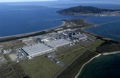 I have had some very good comments on my recent post, 120% Pure Subsidy, about the quantity of free emissions units that NZ Aluminium Smelters Limited (NZAS) has received under the NZ ETS in 2010. Enough good comments that they justify a second post on the subject.
 The health and security implications of climate change were the subject of an interesting-looking
  It is a truth
  With the passage of the Australian