
 Fairfax New Zealand’s news web site Stuff has responded to criticism [Hot Topic, The Atavism, From the Morgue] of its ‘Solar minimum’ could trigger Ice Age [WebCite#1] story last week by posting a substantially revised version [WebCite#2], now titled Research considers solar cooling period. The latest version gives a much better picture of the paleoclimate research that was ostensibly the subject of the original story, but Stuff‘s editors have neglected to address the lifting of material from the Daily Mail. Remarkably, the only sentences retained from the original are those that were directly “borrowed” from the Mail article.
Here’s what the Mail piece originally said, with the sections used by Stuff in bold:
The link between Solar ‘moods’ and the weather down here on Earth was first noticed in the 1970s, when the American astronomer Jack Eddy noticed a strong correlation between historic weather records and contemporaneous accounts of Solar activity, most notably the long record of sunspots published a century before by the astronomer Edward Maunder. Eddy noticed that a ‘quiet’ Sun correlates with cold weather and a manic phase means warmer conditions.
Here’s what Stuff published in the first version of the story, and left unchanged in the latest revision:
It was first noticed in the 1970s when the American astronomer Jack Eddy noticed a strong correlation between historic weather records and accounts of solar activity. He noticed that a ‘quiet’ sun correlates with cold weather and a ‘manic’ phase means warmer conditions.
Remarkably similar, I’ll think you agree. Neither Stuff story gives any credit to the Daily Mail, so unless Fairfax has a syndication arrangement with the Mail that allows uncredited use, the site has been incredibly sloppy, both in allowing the original nonsense to make it to the front page of their site, and by correcting the piece without addressing the clear plagiarism. An apology to Stuff‘s readers on both counts would seem in order.
 The Guardian’s environmental editor John Vidal is a journalist who takes opportunities to report the adverse effects of climate change already being experienced by some of the world’s poorer populations. In earlier posts I’ve drawn attention to pieces he’s written about
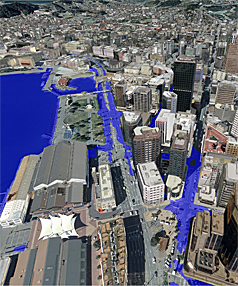 The New Zealand government has ordered officials at the Ministry of Environment to stop work on the development of a national environmental standard (NES) on sea level rise,
 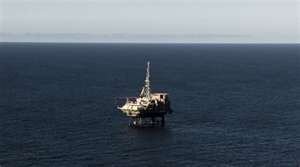 An extraordinary op-ed headline caught my eye in the NZ Herald this morning. “Oil and gas reserves can be part of low carbon future.” Professor Basil Sharp, director of the University of Auckland Business School’s Energy Centre and Frank Duffield, an Honorary Fellow at the Centre,