
 I look back with some embarrassment on my enthusiastic posts when Barack Obama was in the early days of his presidency. I thought he was offering strong political leadership in addressing climate change. His words seemed unequivocal. Here he is speaking at the UN in September 2009:
That so many of us are here today is a recognition that the threat from climate change is serious, it is urgent, and it is growing. Our generation’s response to this challenge will be judged by history, for if we fail to meet it – boldly, swiftly, and together – we risk consigning future generations to an irreversible catastrophe.
And he was positive about facing that challenge:
As we meet here today, the good news is that after too many years of inaction and denial, there is finally widespread recognition of the urgency of the challenge before us. We know what needs to be done. We know that our planet’s future depends on a global commitment to permanently reduce greenhouse gas pollution. We know that if we put the right rules and incentives in place, we will unleash the creative power of our best scientists, engineers, and entrepreneurs to build a better world. And so many nations have already taken the first steps on the journey towards that goal.
The rhetoric has changed substantially since then. In this week’s state of the union address there was certainly no clarion call to confront climate change. The term was used, and the science acknowledged, but only in passing in the context of his promotion of clean energy:
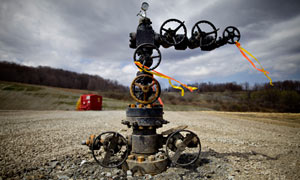 My heart sinks when I read enthusiastic acclamations of natural gas as a substitute for coal. It releases less CO2 on combustion, we’re told. It is a good bridge to the time when renewable energy is sufficiently developed to take over. And latterly, with the development of fracking, that’s going to be a very long bridge. There are claims that if we can extract all the shale natural gas there’s enough to
 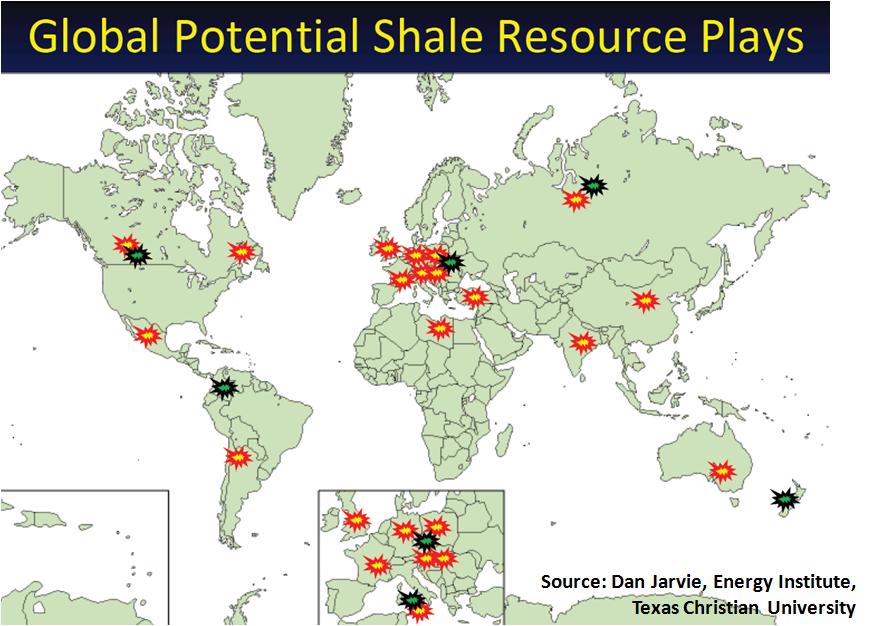 “L&M Energy Limited is pleased to announce that it has identified five areas of interest in the South Island of New Zealand that hold significant shale gas potential analogous to some of the most productive shale acreage in the USA.” This statement headed a press release from