
 Simon Johnson argues that Rio Tinto Alcan NZ (NZ Aluminium Smelters Ltd), the owner of the Tiwai Point aluminium smelter is “Godfathering” the smelter, its workforce, the Southland economy, the NZ electricity market, Meridan Energy and the poor critically endangered slow-breeding kakapo, as well as “Godfathering” the NZ emissions trading scheme to get excessive free allocations of emissions units.
Let me introduce a new term to climate change blogging. Godfathering. It’s a bit like Grandfathering, which is a recognised jargon term from emissions trading. But different. Grandfathering in an emissions trading scheme (an ETS), is giving the emission units for free to the existing emitters in the ETS on a historic pro-rata calculation. The number of units given represents the desired cap on emissions ((Alternatively the units could be sold by auction to emitters which is logical if we treat the units as shares in a public commons owned by the Government on behalf of citizens.)).
Of course, our ETS is not so simple. If our ETS just applied simple “grandfathering” as outlined, then it would have a real cap, it would not allow importing of unlimited international units, and it would be impossible for any emitter to receive more units than their emissions.
That’s not the case under the NZETS, at least for some emitters. In 2010, NZ Aluminium Smelters Ltd, which is roughly New Zealand’s third largest point source of greenhouse gas emissions, was a net seller of units, not a net payer. Their free allocation of units was 135% more than the units they needed to surrender for their emissions.
 I hope the New Zealand Government feels shamed by the
 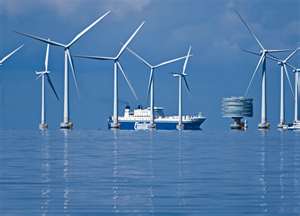 Two wind energy items arrived in my inbox in close proximity recently. One was from the NZ Wind Energy Association (NZWEA) congratulating Meridian Energy on turning the first sod at Mill Creek wind farm in the Ohariu Valley north-west of Wellington. It’s a 60 megawatt farm of 26 turbines. The project will cost $169 million and is expected to be commissioned by mid-2014. It will increase NZ’s installed wind capacity from 623 megawatts to 683 megawatts.
 Geoff Simmons and Gareth Morgan, with help from John McCrystal, have produced a book which one hopes will be read by many New Zealanders.
  MP Nick Smith in a NZ Herald