 James Powell has produced a Kindle eBook, Rough Winds: Extreme Weather and Climate Change, which in brief compass links climate change to the extreme weather events increasing across the globe. As a Kindle Single it has the advantage of being right up to date with what has been happening in the US, including the visit of Hurricane Irene. You don’t need a Kindle to read it – apps are available for other devices and I read it on my PC. It cost 99 cents!
Powell is the author of the recent book The Inquisition of Climate Science which I reviewed here. He’s a former geology professor, college president and museum director who also served as a member of the US National Science Board for twelve years. In Rough Winds he writes for the general reader. He points out that scientists have been thinking about global warming for nearly two centuries. It is one of the oldest concepts in science, recognised first in the 1820s and then refined in the 1860s and 1890s and steadily throughout the second half of the 20th century. Moreover it’s uncomplicated and incontrovertible. There’s no escape from the elemental fact that the extra CO2 we are putting into the atmosphere will cause future temperatures to be higher than they would otherwise have been. And the warmer the earth, the more extreme will be the weather. Continue reading “Rough Winds: Extreme Weather and Climate Change”
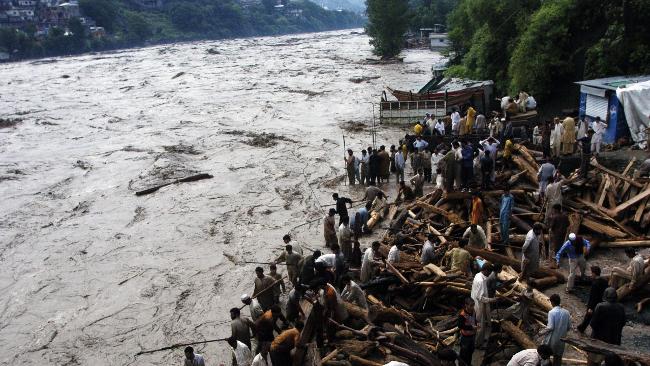 Al Gore didn’t hesitate to dwell on extreme weather events as evidence of the reality of climate change in his closing address for the 24-hour Climate Reality Project last week. There has certainly been no lack of them in the past year or so. Was he pushing the boundaries of the science? It wouldn’t worry me too much if he was because there’s plenty else in the scientific projections which is clearly under way, such as the melting polar ice or the acidification of the oceans. But Gore is a very intelligent and well-informed man and I don’t think he allowed himself to be carried away beyond the scientific mandate. Consider what is being said by some scientists right now.
 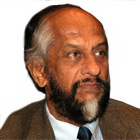 I wondered what Stephen Sackur might want to put to Rajendra Pachauri when he interviewed the IPCC chair on BBC’s Hardtalk this week. His agenda turned out to be depressingly predictable for the most part. The opening was not encouraging. Sackur referred to other options than a global climate deal in view of the stalled international negotiations, mentioning the abandonment of the Kyoto approach
  I’ve been looking at the