The Climate Show #15: Michael Ashley and the ineducable Carter

[youtube]PoX2pmH_rOk[/youtube]

We thought we’d try for a record short show — and failed, because once again there was just to much to talk about. We have more on Eritrean volcanoes, extreme weather over the last 18 months, a new report on the dire state of the oceans, and Stoat’s big bet. Special guest is Professor Michael Ashley from the University of New South Wales, discussing the state of play in Australia, John Cook does a rapid debunk of Bob Carter, and we have electric cars, more flow batteries and the gas we do not want to smell.

Watch The Climate Show on our Youtube channel, subscribe to the podcast via iTunes, listen to us via Stitcher on your smartphone or listen direct/download here:

The Climate Show

Follow The Climate Show at The Climate Show web site, and on Facebook and Twitter.

Continue reading “The Climate Show #15: Michael Ashley and the ineducable Carter”
The larrikin lord returns

[youtube]hl2lShU6zD0[/youtube]

To welcome the Viscount Monckton of Brenchley (TVMOB, as Joe Romm dubs him, or even His Immaculate and Beneficent Highness, Lord Chris of a Kentish Village) to Australia, here’s Peter Sinclair’s latest Climate Crock — a look at Monckton’s claims to have invented a cure for multiple sclerosis, AIDs and the common cold. Also worth watching for a reminder of James Delingpole’s inability to cope with rational argument.

Unless you’ve been under a rock for the last week or so, you’ll know that Monckton made the news recently for calling the Australian government’s climate adviser Ross Garnaut a Nazi. He subsequently apologised, telling the Telegraph:

I have written to Ross Garnaut to withdraw unreservedly and to apologise humbly. What I said about his opinions was unparliamentary and unstatesmanlike.

Amazing. To make “unparliamentary” comments you first have to be a parliamentarian. Monckton is not now, nor has he ever been a member of either house of the British parliament. And to be unstatesmanlike you first have to be a statesman. The man’s self-delusions are clearly powerful, almost as powerful as his panacea.

Expect more coverage as the good Lord makes his stately progress across the lucky continent, but for some background to the organisation of climate denial in Australia and the potty peer’s international denial network, take a look at Graham Readfearn’s latest piece at The Drum. And Aussie academics are not happy that the Notre Dame University in Fremantle should be providing the Laird of anti-science with a platform, AFP reports.

Risky business: insuring against climate change

Thumbing idly through last Friday’s Business Herald lift-out, I clicked to attention at a double page spread headed Climate of Fear reporting on how seriously the insurance industry is taking climate change. Peter Huck’s article didn’t appear on the Herald website for a few days, but it’s there now, I’m glad to report.  It’s a thorough and scientifically aware piece of journalism which it was pleasing to see given prominence in the paper. And no, he didn’t go looking for any obliging deniers to balance the concern of the insurance industry.
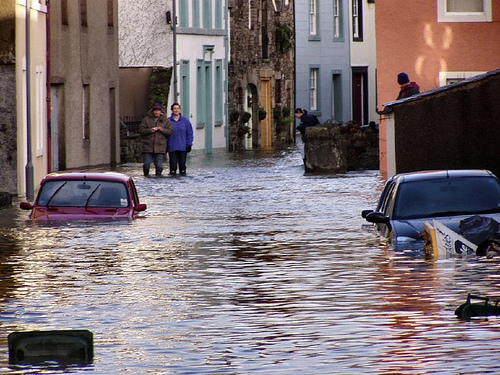
How do insurers calculate their exposure, as “hundred year” weather disasters become ever more common in the “new normal”?  Getting a handle on it means taking climate science very seriously. And the news on the science front is not good, as he briefly recounts.

Continue reading “Risky business: insuring against climate change”

The gas don’t work

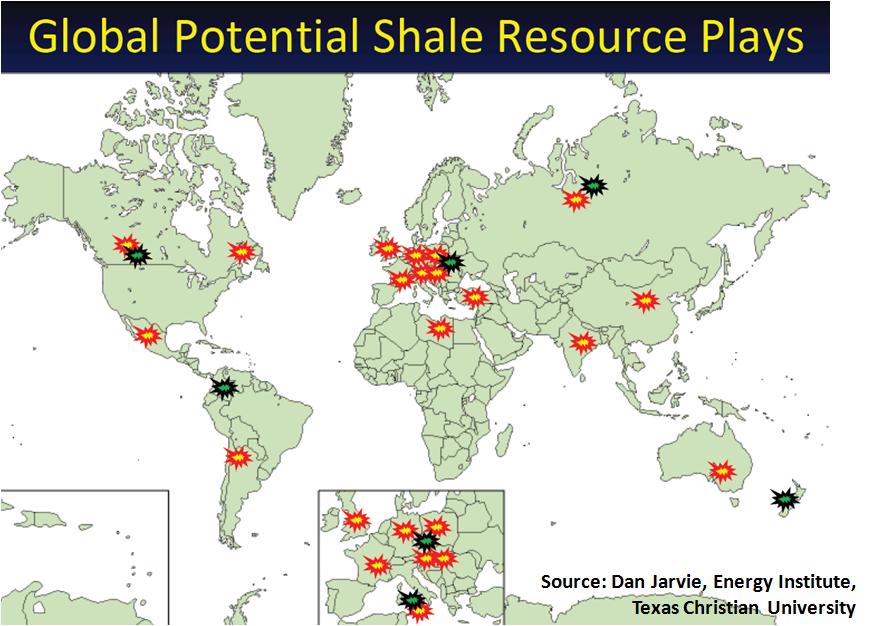
“L&M Energy Limited is pleased to announce that it has identified five areas of interest in the South Island of New Zealand that hold significant shale gas potential analogous to some of the most productive shale acreage in the USA.” This statement headed a press release from L&M Energy on Friday. I first heard the news on the radio the next morning. My heart sank at yet another indication that we are determined to extract and use all the fossil fuel deposits we can lay our hands on. The Minister for Economic Development, Gerry Brownlee, on the other hand, no doubt felt buoyed up by the announcement. This is what he wrote in the introduction to the Draft Energy Strategy last year:
“For too long now we have not made the most of the wealth hidden in our hills, under the ground,  and in our oceans. It is a priority of this government to responsibly develop those resources.”

Continue reading “The gas don’t work”

Catch a fire (worst year since 1816)

The extraordinary sequence of extreme weather events during the last 18 months is probably the worst run of natural disasters since 1816, when a huge volcanic eruption at Mt Tambora cooled the earth enough to cause the famous “year without a summer“, according to a powerful blog post by Weather Underground founder Jeff Masters. He runs through the list, giving details of each:

  • Earth’s hottest year on record
  • Most extreme winter Arctic atmospheric circulation on record
  • Arctic sea ice: lowest volume on record, 3rd lowest extent
  • Record melting in Greenland, and a massive calving event
  • Second most extreme shift from El Niño to La Niña
  • Second worst coral bleaching year
  • Wettest year over land
  • Amazon rainforest experiences its 2nd 100-year drought in 5 years
  • Global tropical cyclone activity lowest on record
  • A hyperactive Atlantic hurricane season: 3rd busiest on record
  • A rare tropical storm in the South Atlantic
  • Strongest storm in Southwestern U.S. history
  • Strongest non-coastal storm in U.S. history
  • Weakest and latest-ending East Asian monsoon on record
  • No monsoon depressions in India’s Southwest Monsoon for 2nd time in 134 years
  • The Pakistani flood: most expensive natural disaster in Pakistan’s history
  • The Russian heat wave and drought: deadliest heat wave in human history
  • Record rains trigger Australia’s most expensive natural disaster in history
  • Heaviest rains on record trigger Colombia’s worst flooding disaster in history
  • Tennessee’s 1-in-1000 year flood kills 30, does $2.4 billion in damage

Continue reading “Catch a fire (worst year since 1816)”