 It’s time for another update on the antics of our favourite climate cranks — and this week’s star is New Zealand’s very own über crank, weather astrologer Ken Ring. He’s been reinventing NZ’s warmest-ever winter to make it fit with his forecasts. Here’s Ken, back in April, in a piece headlined “Severe winter ahead” [WebCite ((Because Ken has a history of altering stuff after the fact to make himself look better.))]:
The closer the moon is to the earth, the more extreme is the weather, and this year’s closest perigee occurs in late June, which will set us up for a very cold July. […] Very cold temperatures may break records at or near both mid July and mid August.
Unfortunately for Ring, none of that happened. Instead, we got record warmth, and a marked absence in July and August of the frigid southerlies from polar oceans that bring NZ its coldest weather. He is so desperate to make this winter appear cold and to justify his forecast that he’s just published a barely coherent article titled White lies in winter [WebCite]. He thrashes around at a number of targets, but his aim is clear: we have to believe that this was not a record-breaking warm winter. Under a list of links to newspaper articles that don’t support his cold contention, he appeals to his reader’s innate weather measuring equipment:
Continue reading “Prat Watch #12: warmest winter makes Ring writhe (and other tales)”
 If you think it’s been a warm winter in New Zealand, you’re right. NZ is rapidly approaching the end of a record-breaking winter — the warmest for at least 150 years ((Reliable temperature records in NZ date back to the 1860s.)). Calculations by Auckland climate scientist Jim Salinger show that NZ’s average temperature for June/July/August is running at 9.5ºC, a remarkable 1.2 deg C above the 1971-2000 average, and comfortably ahead of 1998’s old record of 9.3ºC. Commenting on the numbers, Salinger notes the absence of cold snaps in recent months: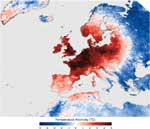
 On Tuesday, the world whizzed past Earth Overshoot Day — the day in the year when we go beyond what the planet can produce or absorb in a year, and start consuming our natural capital. Like fishermen taking more fish than can be replaced by the remaining population, we risk running out of the very thing we value most, as I explore in my column at The Daily Blog this week —
  Climate change minister Tim Groser has finally got around to announcing that