John Key’s fossilised vision for NZ

One wearies of lamenting the government’s inability to view proposed paths of economic development from the perspective of climate change. But as they continue to trumpet economic solutions which are inimical to facing the challenge of global warming there is little option but to keep reiterating that they need to take a longer term view.

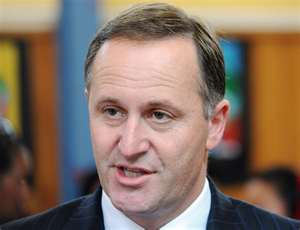
What has provoked this post was the news in the NZ Herald on Thursday of the pleasure the Prime Minister has expressed in the results of a Herald-Digipoll survey suggesting that most New Zealanders back the Government’s plan to increase exploration for oil, gas and minerals. In welcoming the poll result John Key commented:

Continue reading “John Key’s fossilised vision for NZ”

The truth is molten

Extreme weather events are where the climate change rubber hits the road, and if events over the last month are anything to go by, global warming is currently doing doughnuts and burnouts on tarmac right round the globe. Kevin Trenberth put it rather nicely in an interview with PBS Newshour in the US: “This is a view of the future, so watch out.” John Vidal in The Guardian sums up the situation rather well:

…how much more extreme weather does it take for governments and individuals to act, or for the oil companies to withdraw from the Arctic, or the media to link global warming with the events now being witnessed around the world? Must the sea boil, the Seine run dry, New York flood and the London Olympics be consumed by fire before countries are shocked into taking concerted action?

Damn good question.

Continue reading “The truth is molten”

People Talkin’ #9

Because the commenter known as “bill” is too lazy to dig up the last open thread, here’s a new one. There’s plenty to talk about (but there’s a post on extreme weather on its way, so hold fire on that) — including an interesting and developing stoush between George Monbiot, who thinks that growing extraction of unconventional oil and gas mean that peak oil’s no longer a threat, and others, who remain concerned. Why it’s complicated? Google EROEI.

Government confirms NZ ETS to be watered down

I listened sadly on the news last night to the conviction with which the Climate Change Minister Tim Groser announced “This is not the time to put the foot on the accelerator”. Admittedly he followed immediately with “nor, as the climate change sceptics would have wanted us to do, to back the ETS truck up the drive”, but the unfortunate image remaining is of the ETS truck sitting idling at the foot of the drive waiting, or at best crawling at snail’s pace along the road.

Groser is not a climate change sceptic. He claims to fully accept the science. But he obviously does not accept the science when it says that it is already past time when we should have begun reducing emissions, and the window of opportunity is near closing. In other words this is the time to put the foot on the accelerator if we place any value on the human future, or have any care for those already enduring the adverse effects of warming.

Continue reading “Government confirms NZ ETS to be watered down”

Exxon boss: intellectually obtuse position on climate impacts

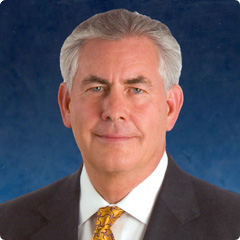
I sometimes wonder what the CEOs of fossil fuel companies think about the effect of their products on the atmosphere and whether they harbour any anxieties about climate change. One of them, Rex Tillerson of ExxonMobil, has told us how he views the matter in his reply to a question following a speech he gave to the Council of Foreign Relations last week, a speech in which he had explained how unexpectedly vast the sources of extractable natural gas and oil in North American rocks are proving to be.

To get a full sense of his reply to the question you’ll need to look at it on the website – it’s about two thirds the way down the page. It’s copyrighted but I’ll try to give a fair paraphrase of his main points albeit accompanied by my criticisms. Tillerson is answering a question, not delivering a prepared statement, but his answer no doubt broadly reveals his basic stance on the question.

The questioner briefly outlined some of the devastating consequences for humanity of the burning of all the reserves Tillerson had talked about in his speech and asked what he was going to do about it. “We need your help to do something about this.”

Continue reading “Exxon boss: intellectually obtuse position on climate impacts”