 Richard Alley’s book Earth: The Operators’ Manual, which I reviewed recently, was written as a companion to a PBS documentary of the same name. The documentary has recently screened in the US and is now available for viewing here. The broad themes are the same as those of the book. They’re not complicated: taking our energy from fossil fuels has caused climate change, but there are clean energy alternatives more than adequate to human needs and the sooner we move to deploy them the better.
Funded by the National Science Foundation, the documentary takes Alley to many places and countries, including New Zealand. He dwells on the human need for energy, the kind of energy demands a growing population will make, and the ultimate inability of fossil fuels, a limited resource, to meet that demand even if we could carry on burning them with impunity. But we can’t, and Alley explains why. A visit to the Franz Josef and Tasman glaciers, with some great photography, is part of what he uses to explain the real world impact of changing levels of CO2. A fascinating visit to the national ice core laboratory in Denver, Colorado demonstrates that today atmospheric CO2 is at a level not seen in cores that go back as far as 400,000 years – far above them, in fact. Then it’s back to New Zealand as, against the background of Rotorua thermal activity, Alley explains the isotopic evidence that backs up the relative volume measurements to confirm that the increased CO2 is the result of burning fossil fuels, dwarfing natural volcanic processes.
Continue reading “Alley’s documentary: upbeat and optimistic”

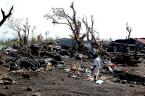 I stumbled across a documentary programme on BBC World during the weekend, Nature Inc. It visited two Asian regions where the impacts of climate change are being experienced and described the active local measures under way to cope with them. It’s the sort of programme we ought to be seeing a great deal more of as the evidence of climate change effects accumulate around the world. The narrator presumably felt obliged to mention in passing that sceptics dispute the impacts of climate change identified by the local people, but that kind of disputing will surely wither in the face of the realities such populations are facing. Facing with energy and purpose in the two cases covered by the short documentary.
 Today marks the fourth anniversary of the
 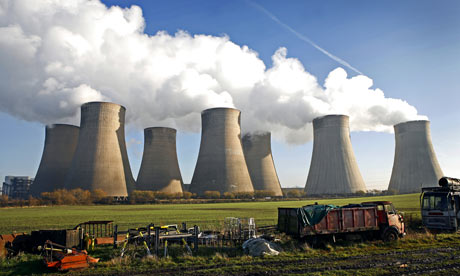 The defence of the Ratcliffe coal power plant protesters in the UK, charged with conspiracy to commit aggravated trespass, was that they were acting through “necessity” to prevent death and serious injury caused by carbon dioxide emissions and climate change. James Hansen was among the defence witnesses, testifying to the reality of the danger from climate change. The prosecution argued that the defendants were not really intending to stop carbon emissions, but instead engaged in a publicity stunt. I wrote in