
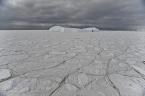
 At Yale Environment 360 Fen Montaigne provides a fascinating, if disturbing, report on the findings of scientists working on the effects of sea ice retreat on the polar marine food chain. Montaigne is the author of the book Fraser’s Penguins which I reviewed earlier this year and of an earlier article at Yale Environment about the melting at the periphery of the Antarctic ice dome discussed here.
This is how it has been in the Antarctic Peninsula for a very long time:
“Marine algae, or phytoplankton, trapped in the ice and floating in the water column have burst into life as the sun catalyzes the photosynthetic process. In addition, melting freshwater from the sea ice formed a buoyant cap atop the heavier salt water, trapping the algae in the upper layer of the ocean, where it was exposed to the sun’s rays and bloomed.
“These seasonal phytoplankton blooms have fed the entire food web around Antarctica: shrimp-like krill and fish ate the phytoplankton, and virtually everything else — from Adélie penguins to humpback whales — ate the krill, which are part of the crustacean family.”
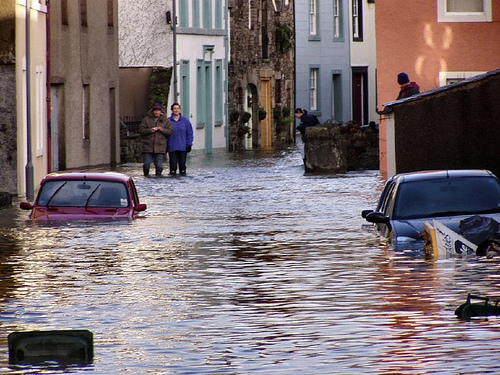 Thumbing idly through last Friday’s Business Herald lift-out, I clicked to attention at a double page spread headed Climate of Fear reporting on how seriously the insurance industry is taking climate change. Peter Huck’s
 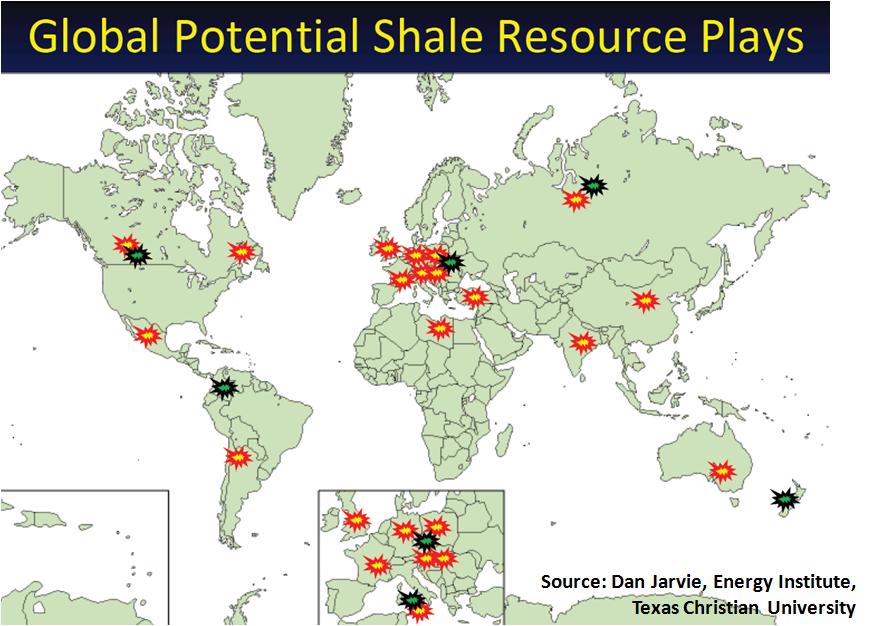 “L&M Energy Limited is pleased to announce that it has identified five areas of interest in the South Island of New Zealand that hold significant shale gas potential analogous to some of the most productive shale acreage in the USA.” This statement headed a press release from