
The “Signs of Change” conference was held this week bringing together by video conference lecture theatres in Kerikeri, Auckland, Palmerston North, Wellington, Christchurch, Dunedin, and Invercargill [writes Tom Bennion]. Up to 200 attendees in all. The conference was organised by Christchurch engineering professor Susan Krumdeick who has for some time been active in researching ways to manage the risks related to resource limits (eg peak oil) and climate change — at local and national scales.
Susan’s approach is refreshingly upbeat while being entirely realistic and pragmatic about the changes required. The focus is on the need to get serious about the changes needed for the economy, society and infrastructure to cope with these challenges. She advised delegates that, as people who want to do the right thing, the thing to do now is not to buy a solar panel, but rather to understand that technology is not a magic solution, it’s a form of grief and bargaining. The changes required are simpler but more profound, but we can nevertheless all live reasonably comfortable and happy lives.
A kind of manifesto for the conference was produced. I’m not usually one for broad poetic statements of this sort, but I nevertheless found it uplifting.
We have enough
We can share what we have
If we used less, it would be fine
We can move ourselves
The economy does not need to grow in order for us to thrive
Business can be ethical and fair
Business can express and nurture cultural values
Health is the care of humans
Public space belongs to humans
We can meet at the market face to face
We can have humane relationships with the animals we depend on
We can work with Earth’s systems
We can build our homes and buildings to last for 600 years
We look upstream to manage our waste
We derive wealth from our waste
We protect and restore what nature creates
We listen to what Earth’s complex systems tell us
Our leaders listen to us and derive power from the mana of ethical behaviour and decisions
The powerful protect the weak
We are becoming indigenous
We are weaving all the threads together
The most important people in our village are those who will be us some day and we are listening to them.
Presentations covered a wide range of topics, from energy and waste management in cities, health, cycling, local food production, rail and electricity demand management. It was apparent that many initiatives that are happening now are occurring at or below the local government level, and not attracting the politics that affects national initiatives.
[Pulp]

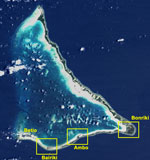
 One of Hot Topic’s favourite sceptics is NZ C”S”C member Roger Dewhurst, best known for turning up from time to time to unload links to the denier meme du jour (and for his carefully cultivated
 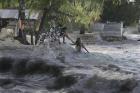 I’d like to return briefly to the fate of Kiribati as sea levels rise, following up my recent